
Hyperconnected and Yet Lonelier than Ever
Teens and adolescents face an epidemic of loneliness, made worse by pervasive screen use and the impact of AI. But there are practical ways to help our youth feel heard and understood.

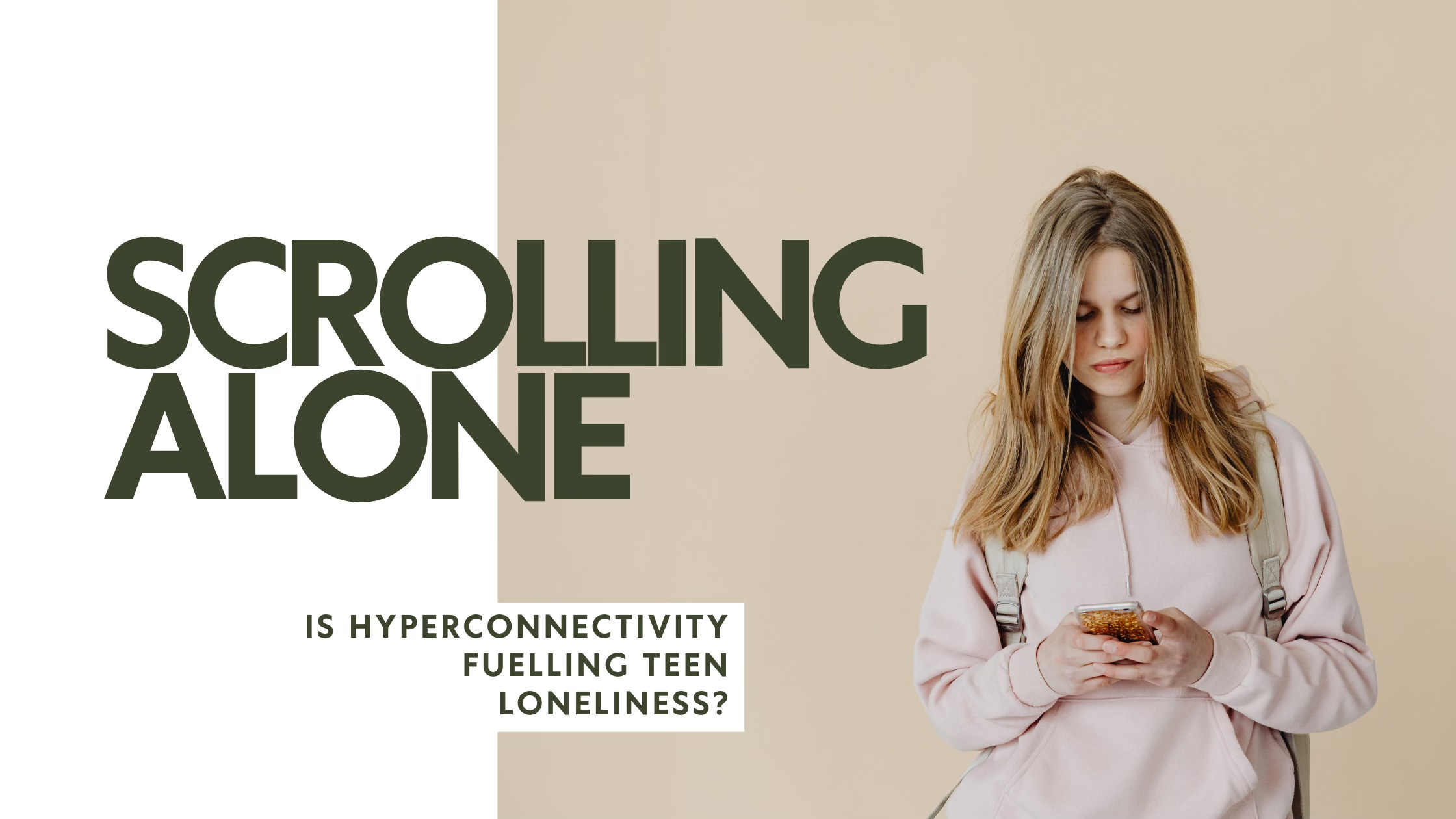
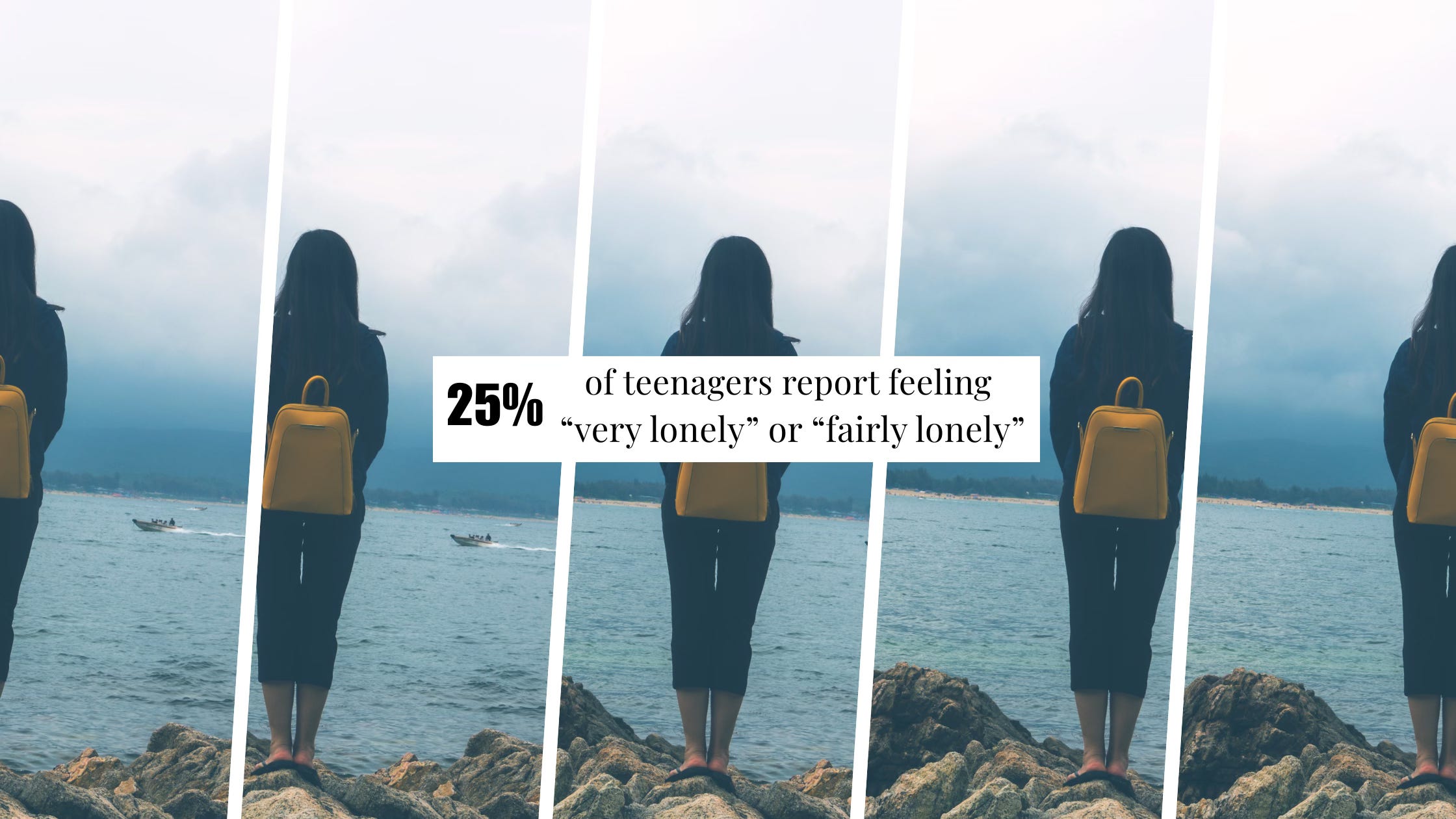
Our teens are more connected than ever before. All their friends and peers are at their fingertips, a mere tap or swipe away. And yet research shows us that loneliness amongst teens has surged since 2012. A quarter of adolescents aged 15–18 feel “very lonely” or “fairly lonely.” And while connections via screens have drastically increased, face-to-face interactions continue to drop, driving the loneliness epidemic among our youth.
Enter AI: The Perfect Substitute Friend
To combat loneliness teens are increasingly turning to AI companions, Character.ai or Replika.ai, for friendship, romantic connection and emotional support. A recent report revealed that around 75% of American teens have interacted with AI companions — with a significant portion forming emotional connections to these “friends.”
I’ve tried out these apps and have seen first-hand how alluring this companionship can be. These “friends” are always available, accommodating, flattering - they are 100% focused on creating an enjoyable experience that keeps you coming back.
They offer none of the challenges, nuance, boundaries, and mutual respect that are embedded in real-world relationships.
The Illusion of Connection
Technology and AI offer immediate responses and interaction, which can temporarily ease feelings of loneliness. However, over-reliance can lead to emotional dependency, hinder the development of real-world social skills, and drive teens further into isolation.
Screens and AI can never fully replicate the nuance of face-to-face connection — the tone of voice, body language, or the warmth of shared presence. An estimated 60-70% of interpersonal communication relies on non-verbal signals that are entirely absent in AI interactions. And yet, a survey by Common Sense Media showed that up to 20% of American teens spend more time with their AI companions than with real friends.

The Screen Time Dilemma: Safety vs. Connection
As a mother, I’ve felt the constant tension between allowing my teen to explore, be creative, and connect with friends online — and wanting to limit screen time to protect her from harmful content. I’ve used all the safety tools available, yet at times, she has still been exposed to things I wouldn’t wish her to see.
Screens provide opportunities for creativity, comfort, and social connection when in-person interactions aren’t possible. Yet they also come with risks: inappropriate content, comparison traps, echo chambers, manipulation and the subtle erosion of face-to-face communication skills.
The Importance of Social and Emotional Skills
As parents, it’s easy to focus on grades, hobbies, or screen time, but helping teens develop social and emotional skills is just as important. Teens who struggle to connect may feel lonely, anxious, or misunderstood and these challenges often carry into adulthood.
Practicing empathy, listening, sharing feelings, and navigating conflict helps teens build confidence, resilience, and meaningful relationships. These are essential life skills that last a lifetime. Supporting teens so that they are seen, heard, and understood gives them a foundation for emotional wellbeing and genuine connection that no device can replace.
Final Thoughts
The digital world isn’t going away — and perhaps it shouldn’t. It does hold opportunities for creativity, friendship, and belonging. But if we guide our teens to balance those online connections with the irreplaceable warmth of human presence, we help them develop the resilience to thrive in both worlds.
Connection doesn’t have to be grand or complicated. It begins in the quiet, ordinary spaces of family life. A hug, a question, putting down the phone, laughing, dancing and just sharing the small ordinary moments. These small moments of connection matter more than we realise.
At Kind Roots Counselling, I walk alongside parents and teens navigating these tensions, helping families find healthier ways to connect. Because when we nurture true connection at home, we give our children the roots they need to feel secure, seen, and never truly alone.